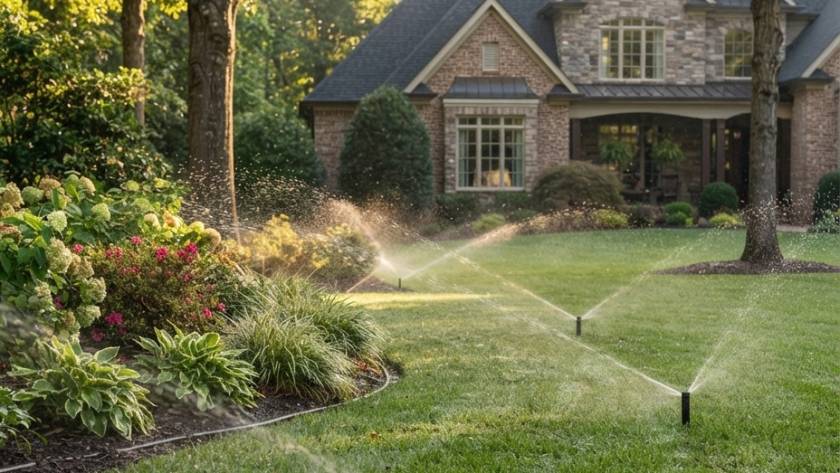
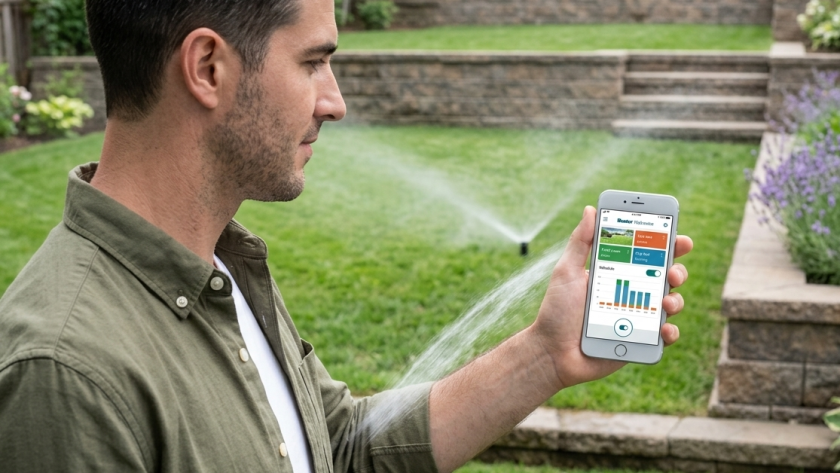
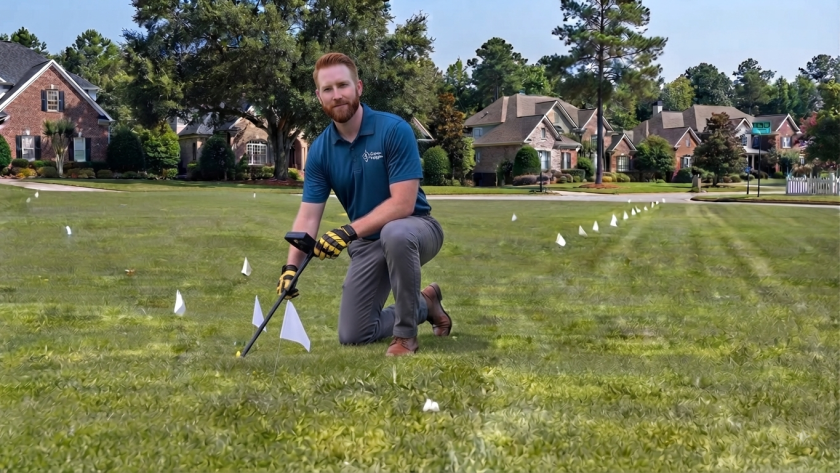
Quick answer: There is not one mandatory calendar date for spring irrigation start-up in Waxhaw. Start when the landscape actually needs supplemental irrigation and freezing risk has passed enough for exposed irrigation components to be operated safely. Weather varies from year to year. Do not start only because the calendar says spring Cool or wet…
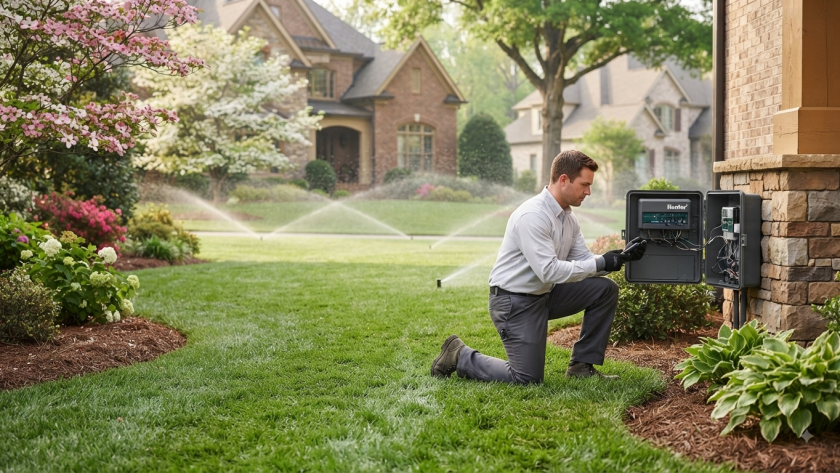
Quick answer: For most established lawns, early-morning irrigation is generally preferable because temperatures are cooler and wind is often lower than later in the day. The exact schedule should still respond to rainfall, soil conditions, turf type and seasonal weather rather than watering automatically every day. Why early morning works well Water has more opportunity…
Quick answer: There is no single correct run time for every sprinkler zone. Runtime depends on sprinkler type, nozzle precipitation rate, soil, slope, sun exposure, plant needs and weather. A rotor zone and a spray-head zone may need very different runtimes to apply a similar depth of water. Why minutes alone can be misleading Different…
Quick answer: A rain sensor temporarily interrupts or suspends scheduled irrigation after sufficient rainfall. It helps prevent unnecessary watering, but it does not measure soil moisture throughout the landscape or repair an inefficient watering schedule. What the sensor does Most residential rain sensors communicate with the irrigation controller and prevent automatic watering when the sensor…
Quick answer: A Wi-Fi irrigation controller can be worthwhile when you want easier schedule changes, remote access, weather-aware adjustments and better visibility into watering. It will not fix poor coverage, leaking valves, broken heads or wiring problems, so the irrigation system itself should still be operating correctly. What smart controllers improve Remote schedule access from…
Quick answer: Yes. Damaged irrigation control wiring can often be repaired underground when the failed section can be located and the repair is made with connections intended for wet, buried environments. The important step is finding the actual fault instead of creating unnecessary splices. Why ordinary indoor connectors are a poor choice Irrigation wiring lives…
Quick answer: A sprinkler-controller fault commonly indicates an abnormal electrical condition on a zone circuit, such as a shorted solenoid, damaged field wire or bad splice. The exact meaning varies by controller, so the affected zone and manufacturer message matter. What a zone fault can tell you If the controller identifies a specific station, troubleshooting…
Quick answer: Professionals can locate buried irrigation valves by tracing the control wire from the controller toward the valve and using electronic locating equipment to narrow the valve’s position. This is more targeted than randomly probing or digging across the yard. Why valves become difficult to find Valve boxes can become covered by soil, mulch…
Quick answer: Irrigation wiring can fail because of damaged underground splices, corrosion, landscaping or digging, animal damage, aging insulation, improper previous repairs, or physical damage to buried cable. Underground splices are common failure points Irrigation systems rely on low-voltage connections in damp outdoor environments. Poorly sealed or aging splices can corrode and create resistance or…
Quick answer: Damaged sprinkler wiring can cause one or more valves to stop operating, work intermittently, or show controller fault messages. Electrical testing can distinguish a broken conductor or bad splice from a failed solenoid or controller problem. Common signs of field-wire problems One zone suddenly stops working Several zones sharing a common wire fail…
Quick answer: Water appearing after the irrigation system turns off can be normal low-head drainage, or it can indicate a valve that is not sealing completely. The key distinction is whether the flow gradually stops or continues long after the zone should be depressurized. Low-head drainage Water remaining in lateral piping can drain through the…
Quick answer: Underground sprinkler leaks often reveal themselves through persistently wet soil, erosion, bubbling water, a weak irrigation zone, unusually green patches, or water surfacing only while a particular zone runs. Finding the affected zone first can greatly narrow the search area. Run zones one at a time Operate each zone separately and observe changes…