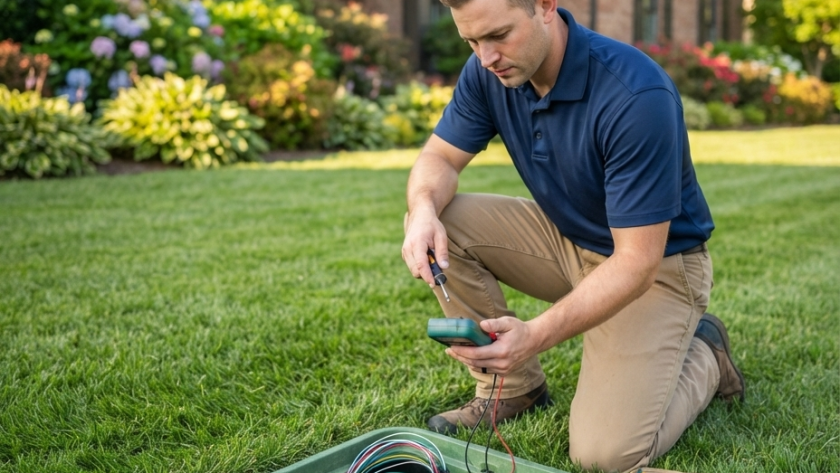
Quick answer: The valve controlling a specific sprinkler zone can often be identified by combining controller station testing, electrical measurements and wire tracing. The goal is to connect the numbered station at the controller with the correct buried valve in the landscape. Start at the controller station Each electrically controlled irrigation zone normally has a…
Quick answer: Often, yes. An older sprinkler system does not automatically need complete replacement. If the main piping, valves, wiring and zone layout are still serviceable, individual failed components can often be repaired or modernized while usable parts of the system remain in place. Age alone does not identify the failure A dead zone may…
Quick answer: A sprinkler zone that stops working after landscaping or yard construction may have a cut control wire, damaged pipe, buried or damaged valve box, broken sprinkler connection, or a new obstruction affecting the zone. The timing of the failure is an important diagnostic clue. Digging can damage irrigation wiring Edging, planting, fence work…
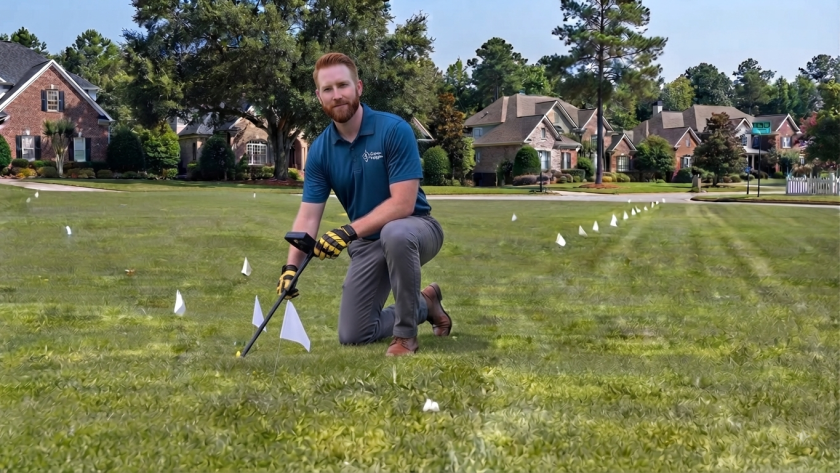
Quick answer: Wire tracing can help follow buried irrigation wiring and narrow the location of faults, but finding the exact cause of a failed zone usually combines tracing with electrical testing. A cut conductor, bad splice, short, failed solenoid and common-wire problem can produce different test results. What a wire tracer does A locator applies…
Quick answer: Sprinkler valve boxes often disappear because grass, mulch, soil buildup, grading, new sod or landscape renovations gradually cover boxes that were originally visible at grade. Older systems may also have poorly documented valve locations. Landscape changes hide valve boxes A box that was easy to see when the irrigation system was installed can…
Quick answer: If an automatic sprinkler system runs during rain, the controller may not have a working rain interruption, the sensor may be bypassed or malfunctioning, or the controller may be programmed without weather-based adjustment. Check whether a rain sensor is installed Not every controller setup has an active rain sensor. A standard timer follows…
Quick answer: A rain sensor tells the irrigation controller to suspend or interrupt scheduled watering after enough rainfall has been detected. Its job is to prevent unnecessary irrigation during or after rain; it does not diagnose leaks, measure every area of soil, or correct poor sprinkler coverage. Rain sensor versus weather-based controller A traditional rain…
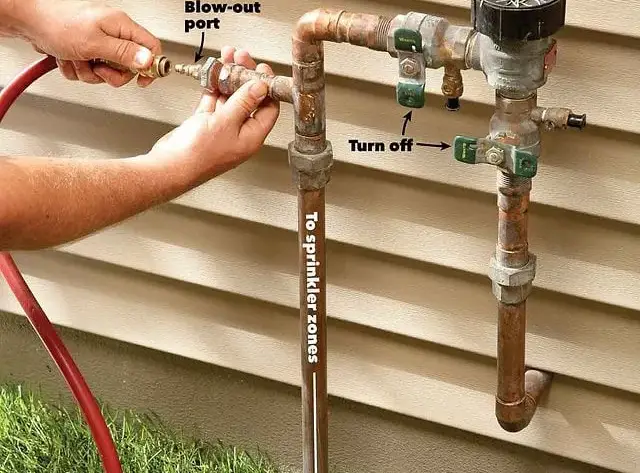
Quick answer: DIY sprinkler winterization and professional winterization differ mainly in equipment, system knowledge and control of compressed air. A proper blowout is not simply a matter of connecting a small compressor and applying maximum pressure. Why the equipment matters Winterization requires enough controlled airflow to move residual water through irrigation zones while keeping operating…
Quick answer: Common problems discovered when an irrigation system is restarted after winter include broken heads, leaking fittings or piping, valves that fail to open or close, weak zones, controller or sensor issues, and coverage changes caused by landscaping or soil movement. Leaks and broken components Damage may not be obvious while the irrigation supply…
Quick answer: No. Turning the irrigation controller off prevents normal scheduled watering, but it does not remove water trapped in irrigation piping, valves or other components. Freeze protection depends on the system itself, not just the controller setting. What the controller actually controls The controller sends electrical commands to irrigation valves. Its off or rest…
Quick answer: Yes. Winterization performed incorrectly can damage irrigation components. Compressed air must be used with appropriate pressure, airflow and procedure for the system rather than simply connecting a compressor and forcing as much air as possible through the piping. Why compressed air requires care Irrigation components are designed to operate with water, not uncontrolled…
Quick answer: It is often useful to identify and document sprinkler problems before winter shutdown while the system can still be operated. Whether a repair should be completed immediately depends on the problem, weather, system condition and the risk of leaving the defect until spring. Why testing before shutdown helps Running the system can reveal…