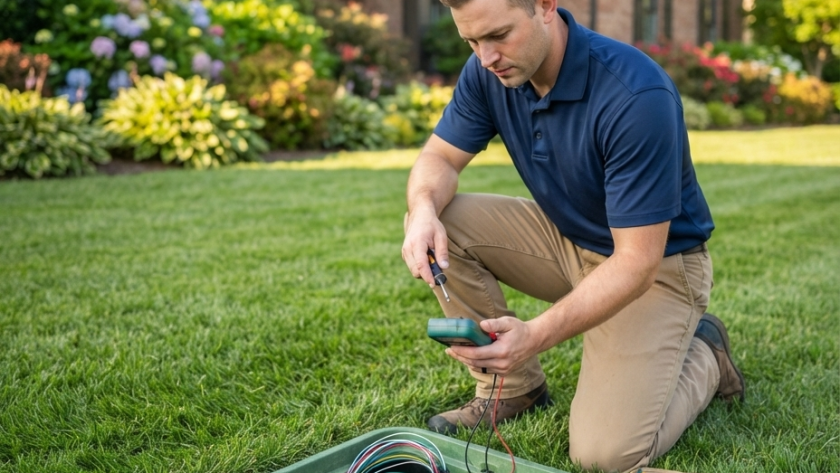
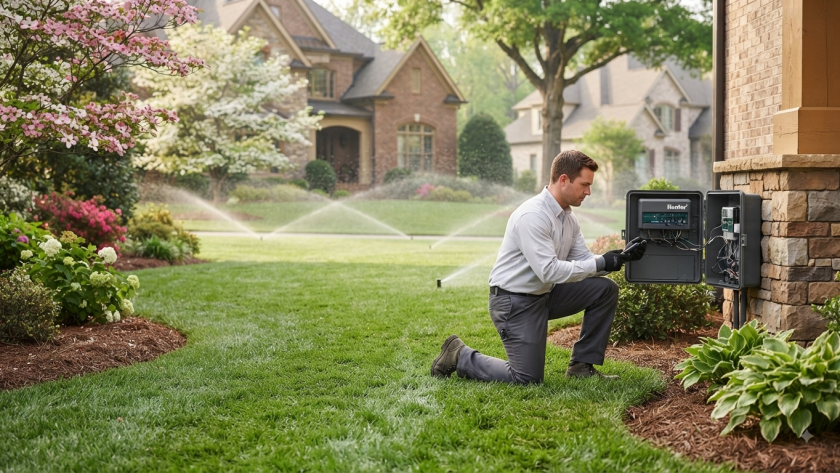
Quick answer: Often, yes. An older sprinkler system does not automatically need complete replacement. If the main piping, valves, wiring and zone layout are still serviceable, individual failed components can often be repaired or modernized while usable parts of the system remain in place. Age alone does not identify the failure A dead zone may…
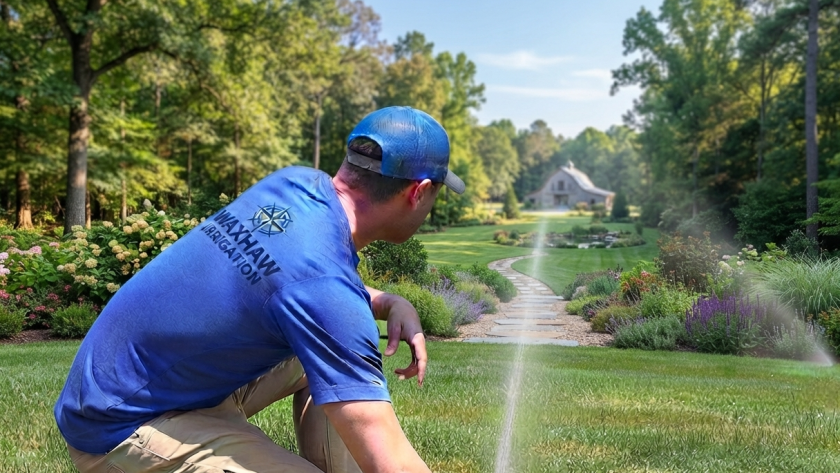
Quick answer: Common problems discovered when an irrigation system is restarted after winter include broken heads, leaking fittings or piping, valves that fail to open or close, weak zones, controller or sensor issues, and coverage changes caused by landscaping or soil movement. Leaks and broken components Damage may not be obvious while the irrigation supply…
Quick answer: It is often useful to identify and document sprinkler problems before winter shutdown while the system can still be operated. Whether a repair should be completed immediately depends on the problem, weather, system condition and the risk of leaving the defect until spring. Why testing before shutdown helps Running the system can reveal…
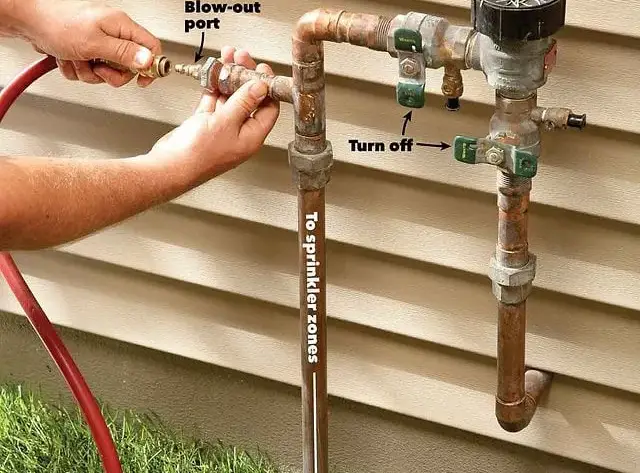
Quick answer: Restoring irrigation water gradually allows piping and components to pressurize more deliberately and gives you time to notice leaks or abnormal behavior. Opening the supply abruptly can create a sudden pressure change in a system that has been inactive through winter. Spring systems may have hidden damage Cold weather, soil movement or aging…
Quick answer: Fall irrigation maintenance should focus on fixing leaks and broken heads, reducing unnecessary watering as weather changes, checking valves and the controller, and preparing the system for freezing conditions. Fall irrigation checklist Run each zone and identify leaks or damaged heads Check that every valve closes completely Adjust the watering schedule for cooler…