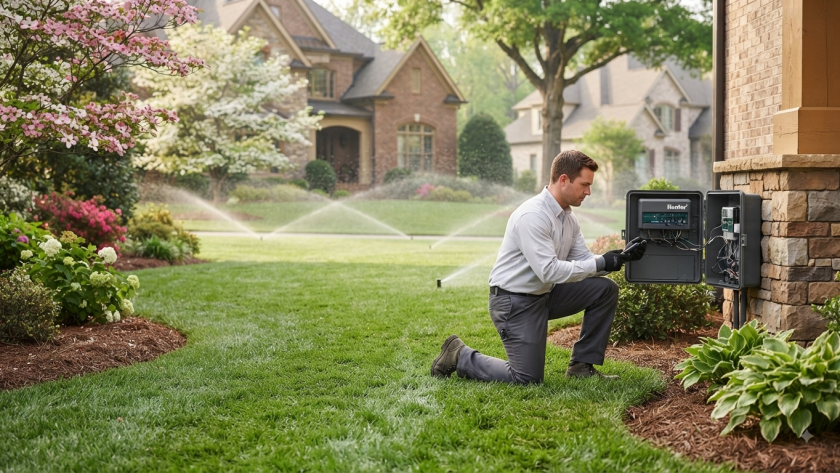
Quick answer: Common problems discovered when an irrigation system is restarted after winter include broken heads, leaking fittings or piping, valves that fail to open or close, weak zones, controller or sensor issues, and coverage changes caused by landscaping or soil movement. Leaks and broken components Damage may not be obvious while the irrigation supply…
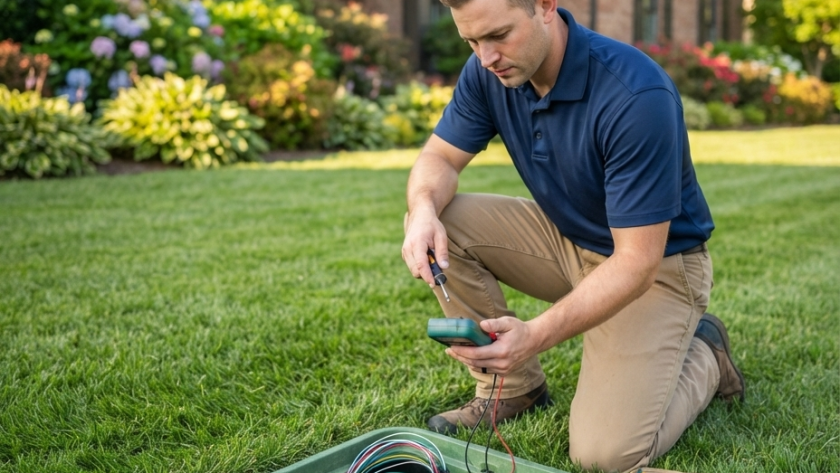
Quick answer: Restoring irrigation water gradually allows piping and components to pressurize more deliberately and gives you time to notice leaks or abnormal behavior. Opening the supply abruptly can create a sudden pressure change in a system that has been inactive through winter. Spring systems may have hidden damage Cold weather, soil movement or aging…
Quick answer: The cost of a sprinkler spring start-up can vary with system size, number of zones, number of water supplies, system condition, accessibility and whether repairs are needed. A seasonal activation and a repair visit are not necessarily the same scope of work. System size matters A larger irrigation system generally takes longer to…
Quick answer: Yes. A thorough spring sprinkler start-up can reveal leaks, weak zones, malfunctioning valves, broken heads, controller problems and poor coverage before they waste water throughout the watering season. Winter and landscape changes can expose new problems Freeze conditions, soil movement, landscaping and ordinary wear can affect irrigation components while the system is inactive…
Quick answer: A professional spring sprinkler start-up should restore the system to operation carefully, run and inspect every zone, identify leaks or winter damage, verify valve operation, inspect heads and nozzles, test the controller and sensors, and adjust coverage and scheduling for current conditions. 1. Restore the irrigation water supply The system is brought back…
Quick answer: A homeowner can perform basic spring checks, but a professional irrigation start-up is more than simply opening the water supply. A thorough start-up tests every zone, checks valves and heads, looks for winter damage and leaks, verifies controller and sensor operation, and corrects coverage before regular watering begins. What a basic DIY start-up…
Quick answer: A useful spring irrigation check includes restoring water carefully, testing every zone, inspecting heads and nozzles, checking for leaks, confirming valves close properly, testing the controller and sensors, and adjusting coverage before regular watering begins. Spring checklist Inspect visible irrigation components before startup Restore the irrigation water supply carefully Run each zone independently…
Quick answer: There is not one mandatory calendar date for spring irrigation start-up in Waxhaw. Start when the landscape actually needs supplemental irrigation and freezing risk has passed enough for exposed irrigation components to be operated safely. Weather varies from year to year. Do not start only because the calendar says spring Cool or wet…