Quick answer: The valve controlling a specific sprinkler zone can often be identified by combining controller station testing, electrical measurements and wire tracing. The goal is to connect the numbered station at the controller with the correct buried valve in the landscape. Start at the controller station Each electrically controlled irrigation zone normally has a…
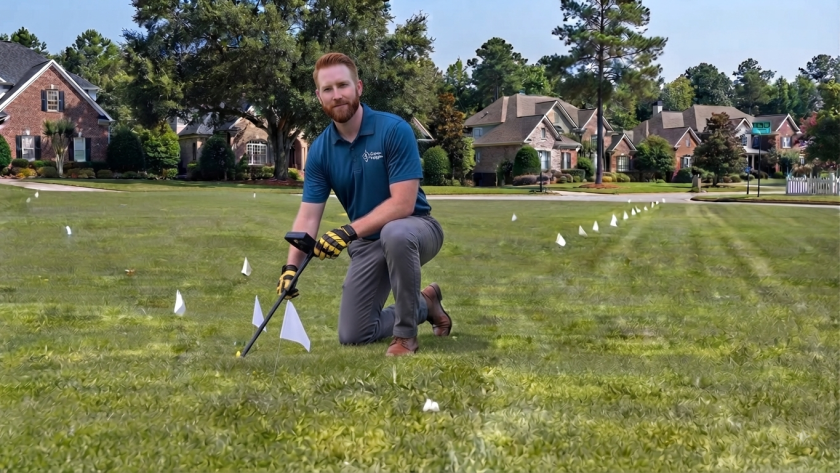
Quick answer: Wire tracing can help follow buried irrigation wiring and narrow the location of faults, but finding the exact cause of a failed zone usually combines tracing with electrical testing. A cut conductor, bad splice, short, failed solenoid and common-wire problem can produce different test results. What a wire tracer does A locator applies…
Quick answer: Sprinkler valve boxes often disappear because grass, mulch, soil buildup, grading, new sod or landscape renovations gradually cover boxes that were originally visible at grade. Older systems may also have poorly documented valve locations. Landscape changes hide valve boxes A box that was easy to see when the irrigation system was installed can…
Quick answer: Buried sprinkler valves can often be narrowed down with system layout knowledge, electrical testing and professional wire-tracing equipment before targeted digging begins. Random excavation is usually slower and causes unnecessary landscape damage. Why valves become difficult to find Valve boxes can be covered by soil, mulch or turf over time. Older systems may…
Quick answer: Professionals can locate buried irrigation valves by tracing the control wire from the controller toward the valve and using electronic locating equipment to narrow the valve’s position. This is more targeted than randomly probing or digging across the yard. Why valves become difficult to find Valve boxes can become covered by soil, mulch…