Quick answer: If an automatic sprinkler system runs during rain, the controller may not have a working rain interruption, the sensor may be bypassed or malfunctioning, or the controller may be programmed without weather-based adjustment. Check whether a rain sensor is installed Not every controller setup has an active rain sensor. A standard timer follows…
Quick answer: A sprinkler controller that waters more than once in a day often has multiple start times programmed, overlapping programs, cycle-and-soak settings, or a schedule that is being misunderstood. It does not necessarily mean the controller is defective. Multiple start times are a common cause On many controllers, each start time launches an entire…
Quick answer: Irrigation schedules should change as weather and landscape demand change. A controller that uses the same watering frequency and runtime from cool spring weather through summer heat can either waste water or leave the landscape short of what it needs. Spring Start conservatively and account for rainfall. Check that the system itself is…
Quick answer: A sprinkler controller may skip a scheduled watering because of rain-delay settings, active sensor input, seasonal adjustments, incorrect start times, watering-day restrictions or programming conflicts. A controller problem is possible, but programming and sensor conditions should be checked first. Common programming causes Wrong day-of-week schedule Rain delay left active Seasonal adjustment reduced too…
Quick answer: If a sprinkler controller appears to run the wrong zone, the cause may be mislabeled stations, crossed field wires, wiring changes from previous repairs, or a valve that is hydraulically stuck open while another station is being commanded. Check whether the controller and landscape labels agree Zone numbers written inside a controller are…
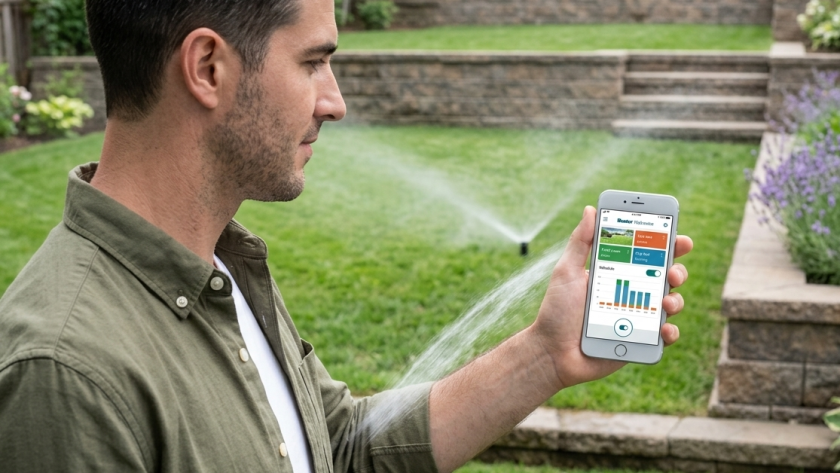
Quick answer: A Wi-Fi irrigation controller can be worthwhile when you want easier schedule changes, remote access, weather-aware adjustments and better visibility into watering. It will not fix poor coverage, leaking valves, broken heads or wiring problems, so the irrigation system itself should still be operating correctly. What smart controllers improve Remote schedule access from…
Quick answer: A powered controller does not guarantee that the valves are receiving usable power or that water can flow. The issue may be programming, a sensor interruption, field wiring, a failed common wire, solenoids, valves or the irrigation water supply. What “controller has power” actually proves It confirms the controller itself is receiving electrical…