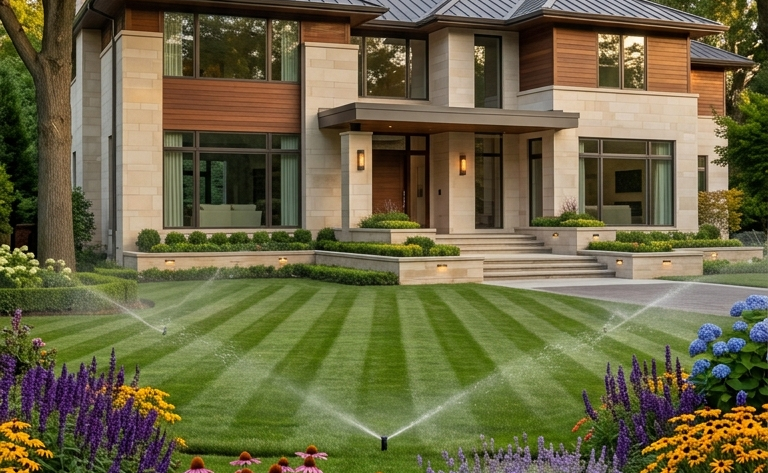
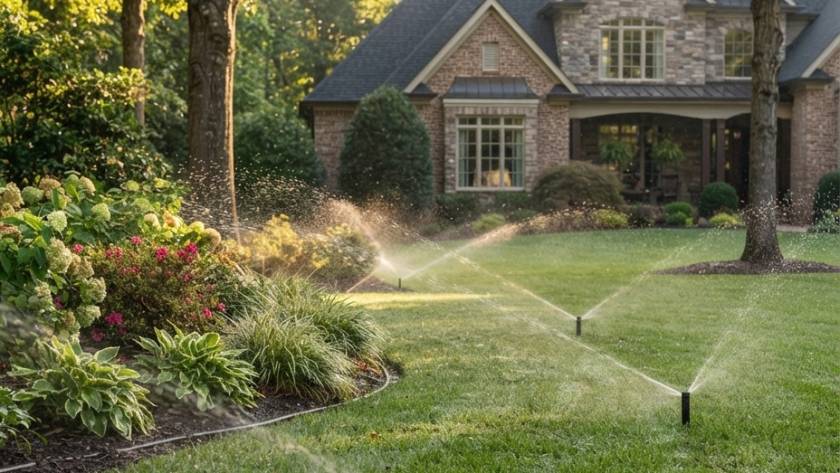
Quick answer: If an automatic sprinkler system runs during rain, the controller may not have a working rain interruption, the sensor may be bypassed or malfunctioning, or the controller may be programmed without weather-based adjustment. Check whether a rain sensor is installed Not every controller setup has an active rain sensor. A standard timer follows…
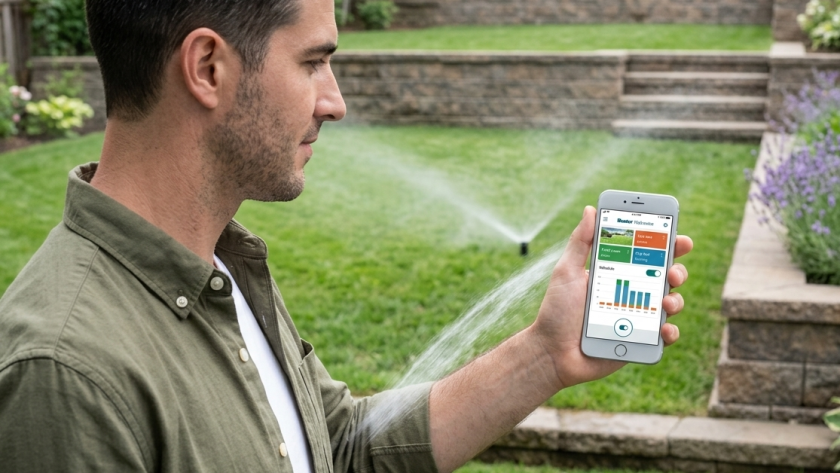
Quick answer: A rain sensor tells the irrigation controller to suspend or interrupt scheduled watering after enough rainfall has been detected. Its job is to prevent unnecessary irrigation during or after rain; it does not diagnose leaks, measure every area of soil, or correct poor sprinkler coverage. Rain sensor versus weather-based controller A traditional rain…
Quick answer: Spring irrigation in Waxhaw should respond to current rainfall, temperature, soil conditions and the landscape rather than using a fixed summer schedule. Cooler spring weather often means a lawn needs less supplemental irrigation than it will during hotter, drier periods. Why spring watering is different Evaporation and plant water demand are generally different…
Quick answer: There is no single correct run time for every sprinkler zone. Runtime depends on sprinkler type, nozzle precipitation rate, soil, slope, sun exposure, plant needs and weather. A rotor zone and a spray-head zone may need very different runtimes to apply a similar depth of water. Why minutes alone can be misleading Different…
Quick answer: A rain sensor temporarily interrupts or suspends scheduled irrigation after sufficient rainfall. It helps prevent unnecessary watering, but it does not measure soil moisture throughout the landscape or repair an inefficient watering schedule. What the sensor does Most residential rain sensors communicate with the irrigation controller and prevent automatic watering when the sensor…