Quick answer: A sprinkler head can sink when surrounding soil settles, the riser or fitting below it shifts, repeated traffic compresses the area, or the head was not supported correctly after previous work. Why height matters A head sitting too low can have its spray blocked by turf and may collect dirt around the riser.…

Quick answer: Sprinkler nozzles affect spray distance, pattern, flow and precipitation rate. The wrong nozzle can create dry spots, overspray, excessive flow demand or uneven watering even when the sprinkler body itself works correctly. Radius and arc are different Radius describes how far water travels. Arc describes the portion of a circle being watered. Both…
Quick answer: Sprinkler repair cost depends on what actually failed, how accessible the problem is, and how much diagnostic work is required. A broken head is a different repair from a buried wiring fault, underground leak or valve that must first be located. What affects repair cost? Type and number of failed components Whether the…
Quick answer: Water in a sprinkler valve box can come from normal groundwater or drainage, but persistent water during or after irrigation may indicate a leaking valve, fitting or pipe connection. The timing of the water is an important clue. When standing water may not be a valve leak Valve boxes are open to the…
Quick answer: A clogged sprinkler nozzle can reduce flow or distort the spray pattern at that individual head, but it usually does not create low pressure throughout an entire zone. Zone-wide weak performance points more toward leaks, valve restrictions, supply issues or multiple clogged components. What a clogged nozzle looks like One head may spray…
Quick answer: A sprinkler controller may skip a scheduled watering because of rain-delay settings, active sensor input, seasonal adjustments, incorrect start times, watering-day restrictions or programming conflicts. A controller problem is possible, but programming and sensor conditions should be checked first. Common programming causes Wrong day-of-week schedule Rain delay left active Seasonal adjustment reduced too…
Quick answer: A sprinkler head that leaks after a zone shuts off may be draining water from higher piping, but persistent flow can also point to a valve that is not closing completely. The pattern and duration of the leak help distinguish normal low-head drainage from a valve problem. When drainage is normal On sloped…
Quick answer: Multiple sprinkler zones running together can be caused by valves that are not closing, wiring faults, incorrect field-wire connections, controller configuration, or hydraulic problems that allow water through more than one valve. Start with the controller Run zones manually one at a time and note whether the controller indicates only the selected station.…
Quick answer: A buzzing irrigation valve usually means the solenoid is being energized but something about the electrical supply, solenoid or valve operation is abnormal. Buzzing alone does not prove the entire valve needs replacement. Possible causes Solenoid is failing or mechanically struggling Voltage reaching the valve is inadequate or unstable Field-wire connection has excessive…
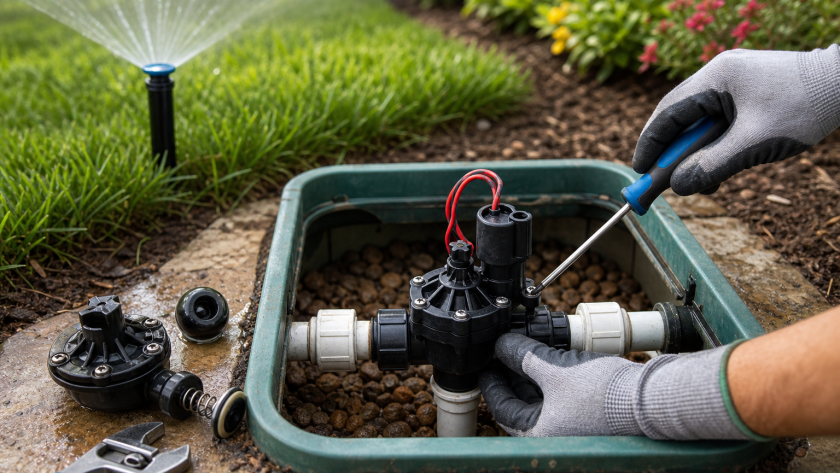
Quick answer: Yes. Many irrigation valve problems can be repaired without replacing the entire valve. Whether repair makes sense depends on which component failed, the valve’s condition, accessibility, and whether the body or internal parts are damaged. Parts that may be serviceable Depending on the valve design, a failed solenoid, diaphragm, spring, bonnet or other…
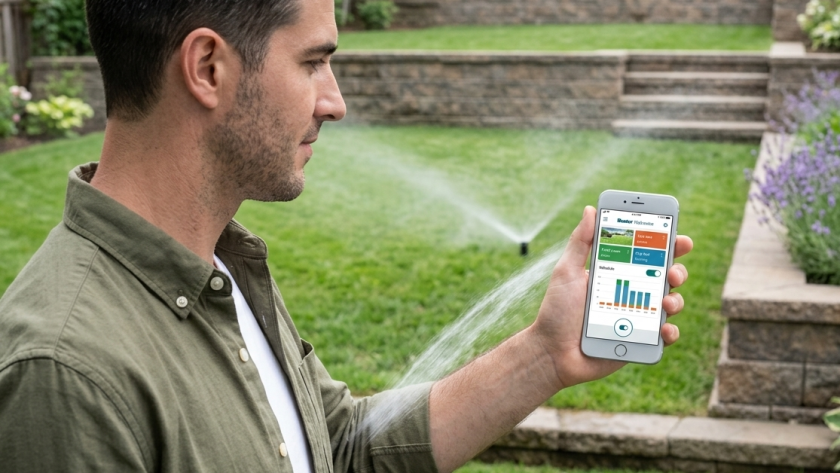
Quick answer: Weather-based irrigation controllers can reduce unnecessary watering by adjusting schedules using weather information instead of running the same fixed program regardless of changing conditions. Savings depend on correct setup and a mechanically sound irrigation system. What weather-based control changes Traditional controllers run according to programmed days and runtimes unless someone changes them. Weather-aware…
Quick answer: Dry or stressed turf can result from too little irrigation, but it can also come from poor sprinkler coverage, clogged nozzles, low pressure or a failed zone. Before increasing the schedule, determine whether water is actually reaching the affected area. Check whether the problem follows sprinkler coverage A sharply defined dry area near…