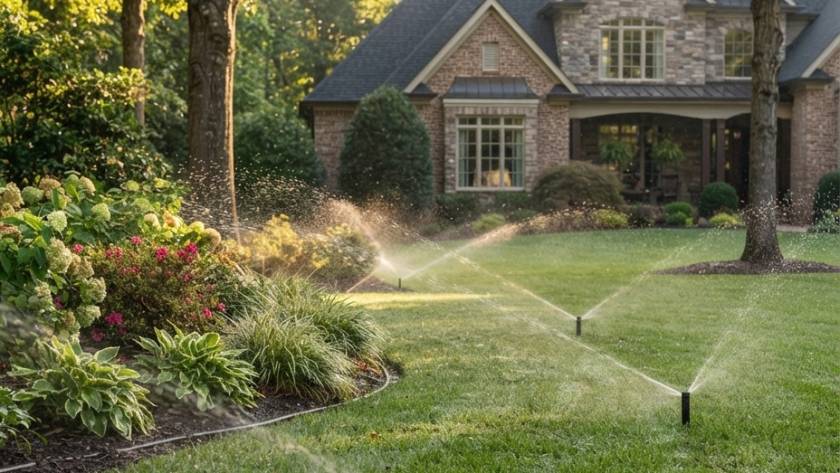
Quick answer: Yes. Irrigation leaks and control problems can increase water use, especially when they occur repeatedly during automatic watering or allow water to pass when the system should be off. The size of the increase depends on the type of leak and how often it occurs. Visible leaks are not the only source of…

Quick answer: A sprinkler head that leaks after a zone shuts off may be draining water from higher piping, but persistent flow can also point to a valve that is not closing completely. The pattern and duration of the leak help distinguish normal low-head drainage from a valve problem. When drainage is normal On sloped…
Quick answer: Water appearing after the irrigation system turns off can be normal low-head drainage, or it can indicate a valve that is not sealing completely. The key distinction is whether the flow gradually stops or continues long after the zone should be depressurized. Low-head drainage Water remaining in lateral piping can drain through the…
Quick answer: Underground sprinkler leaks often reveal themselves through persistently wet soil, erosion, bubbling water, a weak irrigation zone, unusually green patches, or water surfacing only while a particular zone runs. Finding the affected zone first can greatly narrow the search area. Run zones one at a time Operate each zone separately and observe changes…
Quick answer: Low pressure on only one irrigation zone usually means the restriction or water loss is specific to that zone. Common causes include a leak, partially opening valve, clogged valve or filter, too many or incorrect nozzles, damaged piping, or multiple failing heads. Compare the affected zone with the rest If other zones have…