Quick answer: Common signs of excessive irrigation include persistently soft soil, standing water, runoff, frequent puddling, and a schedule that waters regardless of recent rainfall. Some lawn problems can resemble overwatering, so check irrigation coverage and drainage before assuming runtime alone is responsible. Watch the soil and runoff If water begins running onto pavement before…
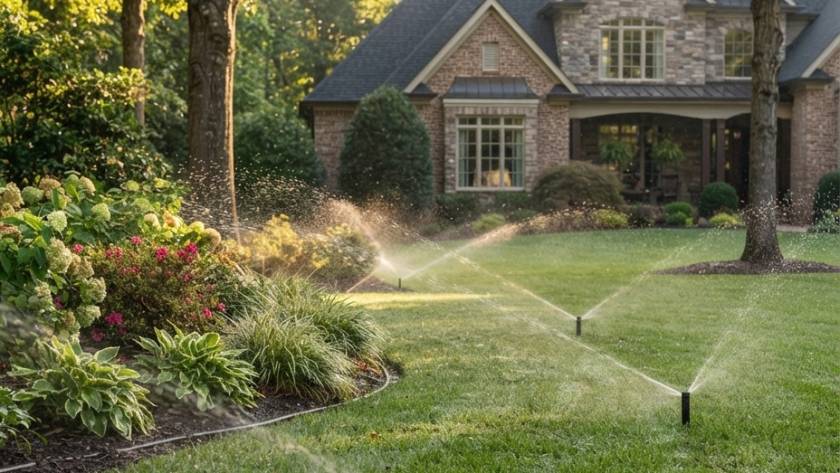
Quick answer: Fall irrigation maintenance should focus on fixing leaks and broken heads, reducing unnecessary watering as weather changes, checking valves and the controller, and preparing the system for freezing conditions. Fall irrigation checklist Run each zone and identify leaks or damaged heads Check that every valve closes completely Adjust the watering schedule for cooler…
Quick answer: Reduced sprinkler throw can come from lower zone pressure, clogged nozzles or screens, a partially opening valve, an underground leak, damaged heads, or increased flow demand on the zone. The pattern across the zone helps identify the likely cause. One weak head versus an entire weak zone If one sprinkler has shortened throw…
Quick answer: Landscaping, fencing, planting, grading and other yard work can accidentally damage sprinkler heads, underground pipe and low-voltage irrigation wiring. Problems may appear immediately or only when the affected zone runs later. Common problems after yard work Broken or buried sprinkler heads Cut lateral piping Damaged valve-control wire Spray patterns blocked by new plants…
Quick answer: If a sprinkler controller appears to run the wrong zone, the cause may be mislabeled stations, crossed field wires, wiring changes from previous repairs, or a valve that is hydraulically stuck open while another station is being commanded. Check whether the controller and landscape labels agree Zone numbers written inside a controller are…
Quick answer: Buried sprinkler valves can often be narrowed down with system layout knowledge, electrical testing and professional wire-tracing equipment before targeted digging begins. Random excavation is usually slower and causes unnecessary landscape damage. Why valves become difficult to find Valve boxes can be covered by soil, mulch or turf over time. Older systems may…
Quick answer: A sprinkler valve that keeps running may be held open by debris, a damaged diaphragm, a solenoid or bleed mechanism that is not seated correctly, or an electrical/controller problem that continues sending power to the valve. First determine whether the problem is hydraulic or electrical If the zone keeps running after the controller…
Quick answer: Spray heads typically apply a fixed fan of water over shorter distances, while rotors distribute water through a moving stream over a larger radius. They can have very different precipitation rates, which is why mixing incompatible sprinkler types on the same zone can create uneven watering. Spray heads Traditional spray nozzles distribute water…
Quick answer: Dry spots can result from poor sprinkler overlap, clogged or incorrect nozzles, tilted or sunken heads, blocked spray, low pressure, landscape changes, or a watering schedule that does not match the zone. Adding more runtime is not always the right fix. Coverage problems are common Sprinklers are typically designed to overlap coverage. A…
Quick answer: A useful spring irrigation check includes restoring water carefully, testing every zone, inspecting heads and nozzles, checking for leaks, confirming valves close properly, testing the controller and sensors, and adjusting coverage before regular watering begins. Spring checklist Inspect visible irrigation components before startup Restore the irrigation water supply carefully Run each zone independently…
Quick answer: Water trapped in irrigation components can expand during freezing conditions and damage pipe, fittings, valves, backflow-related components where present, or other exposed parts. Damage may not become obvious until the system is started again. Why freezing causes damage Ice occupies more volume than liquid water. In a confined irrigation component, that expansion can…
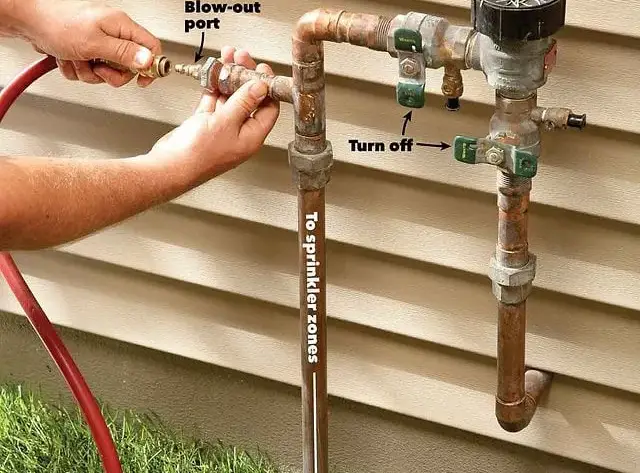
Quick answer: Waxhaw can experience freezing weather, so irrigation systems with water trapped in vulnerable piping, valves or above-ground components can be exposed to freeze damage. Whether a particular system should be blown out depends on its design, drainage and exposed components. Why irrigation systems can be vulnerable Water expands when it freezes. Water trapped…