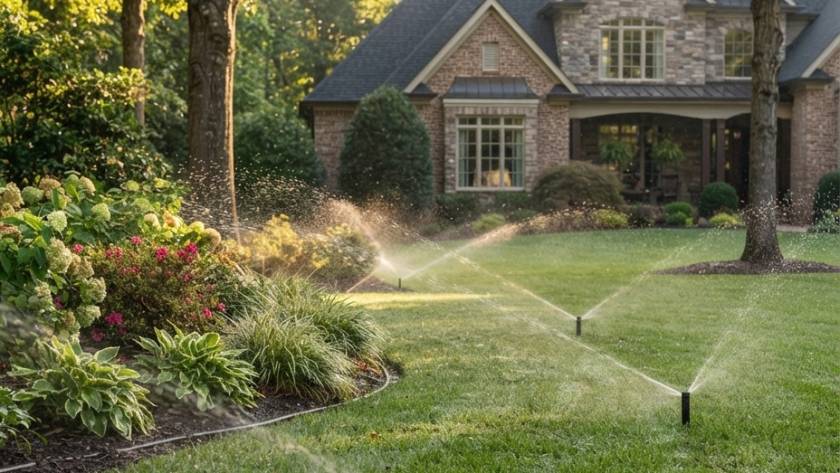
Quick answer: Common signs of excessive irrigation include persistently soft soil, standing water, runoff, frequent puddling, and a schedule that waters regardless of recent rainfall. Some lawn problems can resemble…
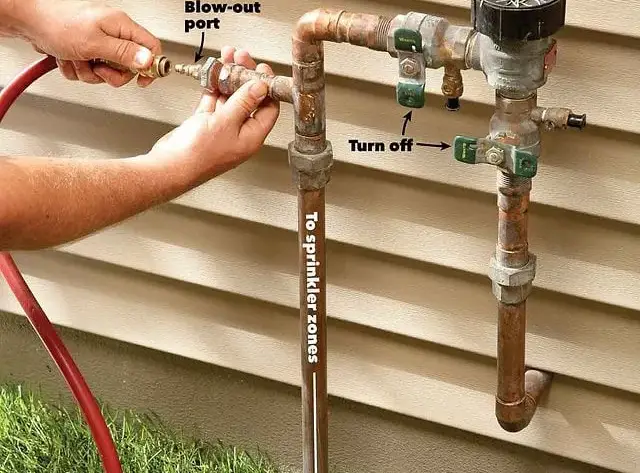
Quick answer: Fall irrigation maintenance should focus on fixing leaks and broken heads, reducing unnecessary watering as weather changes, checking valves and the controller, and preparing the system for freezing…
Quick answer: Reduced sprinkler throw can come from lower zone pressure, clogged nozzles or screens, a partially opening valve, an underground leak, damaged heads, or increased flow demand on the…
Quick answer: Landscaping, fencing, planting, grading and other yard work can accidentally damage sprinkler heads, underground pipe and low-voltage irrigation wiring. Problems may appear immediately or only when the affected…
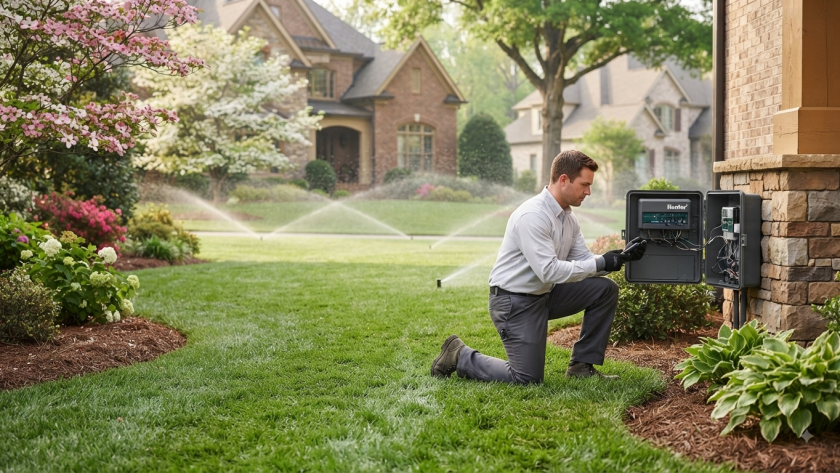
Quick answer: If a sprinkler controller appears to run the wrong zone, the cause may be mislabeled stations, crossed field wires, wiring changes from previous repairs, or a valve that…
Quick answer: Buried sprinkler valves can often be narrowed down with system layout knowledge, electrical testing and professional wire-tracing equipment before targeted digging begins. Random excavation is usually slower and…
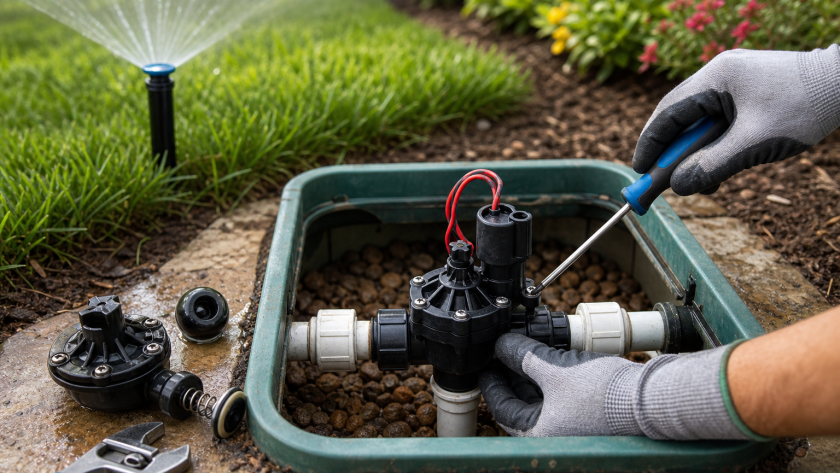
Quick answer: A sprinkler valve that keeps running may be held open by debris, a damaged diaphragm, a solenoid or bleed mechanism that is not seated correctly, or an electrical/controller…
Quick answer: Spray heads typically apply a fixed fan of water over shorter distances, while rotors distribute water through a moving stream over a larger radius. They can have very…
Quick answer: Dry spots can result from poor sprinkler overlap, clogged or incorrect nozzles, tilted or sunken heads, blocked spray, low pressure, landscape changes, or a watering schedule that does…
Quick answer: A useful spring irrigation check includes restoring water carefully, testing every zone, inspecting heads and nozzles, checking for leaks, confirming valves close properly, testing the controller and sensors,…
Quick answer: Water trapped in irrigation components can expand during freezing conditions and damage pipe, fittings, valves, backflow-related components where present, or other exposed parts. Damage may not become obvious…
Quick answer: Waxhaw can experience freezing weather, so irrigation systems with water trapped in vulnerable piping, valves or above-ground components can be exposed to freeze damage. Whether a particular system…